
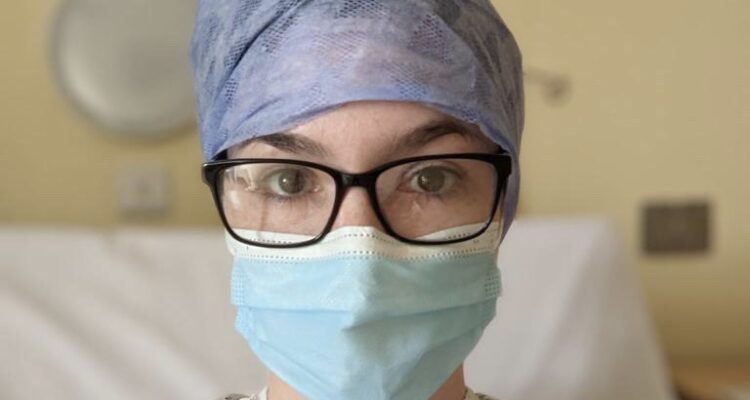
Women in Northern Ireland are facing some of the longest waits for care and treatment for endometriosis in the UK.
The debilitatingly painful condition impacts 1 in 10 women across the UK, and in NI, routine gynaecological appointments in the Northern HSC Trust average a wait of 70 weeks, with even urgent cases waiting three weeks.
Charities focusing on women’s health say that behind these numbers are women whose lives are put on hold by pain and a health system that often overlooks them.
For Laurene Agnew, the struggle began at just 13. A mum of two children she was once told she might never have, Laurene loves kickboxing and yoga but spent a decade hearing her pain was psychological.
Her story highlights what she and many women say is the issue, underfunding and poor medical understanding, meaning women’s pain is often dismissed or misattributed, rather than recognised as real and deserving of care.
“For the first decade, I was repeatedly dismissed by multiple doctors. They told me the pain was in my head, I had a low pain tolerance and was likely depressed. It wasn’t until I was 23 that I was finally diagnosed,” she recalls.
Laurene finally found effective treatment abroad last year in Romania. In total, she had nine surgeries, including an appendectomy and hysterectomy.
She said her experience reflects the reality for many women forced to seek answers outside the health system, often at great personal cost.
Laurene says the stigma around menstrual pain made it even harder for those around her to understand what she was going through.
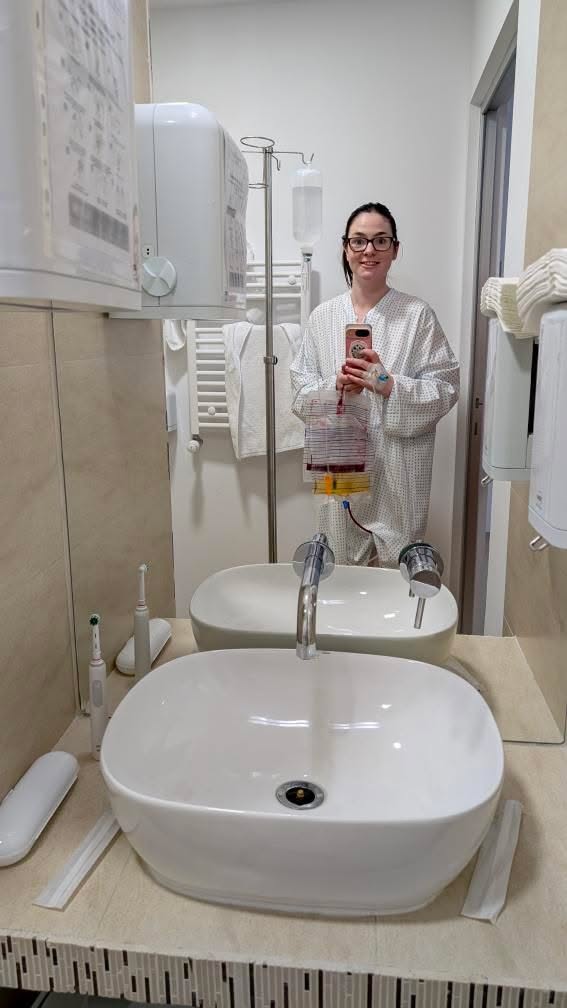
Adding “The stigma definitely impeded my teachers, peers, employers, and family from understanding my pain, but this should not exist in the medical community,” she explains.
She believes a lack of research, understanding, and sometimes apathy led many doctors to dismiss her symptoms.
Laurene’s frustration underscores what she says is the core problem: endometriosis like many women’s health conditions remains at the margins of medical research and policy.
“Endometriosis specifically, and women’s health in general, are not taken seriously in Northern Ireland. This is clear in how quickly the Minister for Health downgraded a promised Women’s Health Action Plan to just a ‘mapping and engagement phase’ to consider an eventual plan.”
Laurene acknowledges progress, such as free period products in schools and libraries, and more media coverage of menstrual health. “I love to see progress in any way, and these conversations need to continue. There’s always more to say and always more to learn.”
But she warns that change takes time. “We can’t change medical misogyny or menstrual ignorance overnight. There are large systems and institutions that need to change, and work is being done. But what we can do now is stop individuals from feeling scared, confused, and alone.”
She stresses the importance of education and normalisation: “No child, teenager, or adult should be uncertain in their own body. These conversations and this awareness must keep happening.”
“And above all, fight for yourself. Your life depends on it because in most cases, it really does.”
But change will take more than individual determination; it also relies on systemic action.
Politicians like Sinéad McLaughlin, SDLP MLA for Foyle, have helped bring the crisis in women’s healthcare and specifically endometriosis to light in Northern Ireland.
“Women are facing some of the longest diagnostic delays anywhere in the UK,” McLaughlin says. “Early intervention can make a profound difference. Yet gynaecology services here remain chronically underfunded, leaving women without timely access to care.”

Erin Adams
A University Student.