
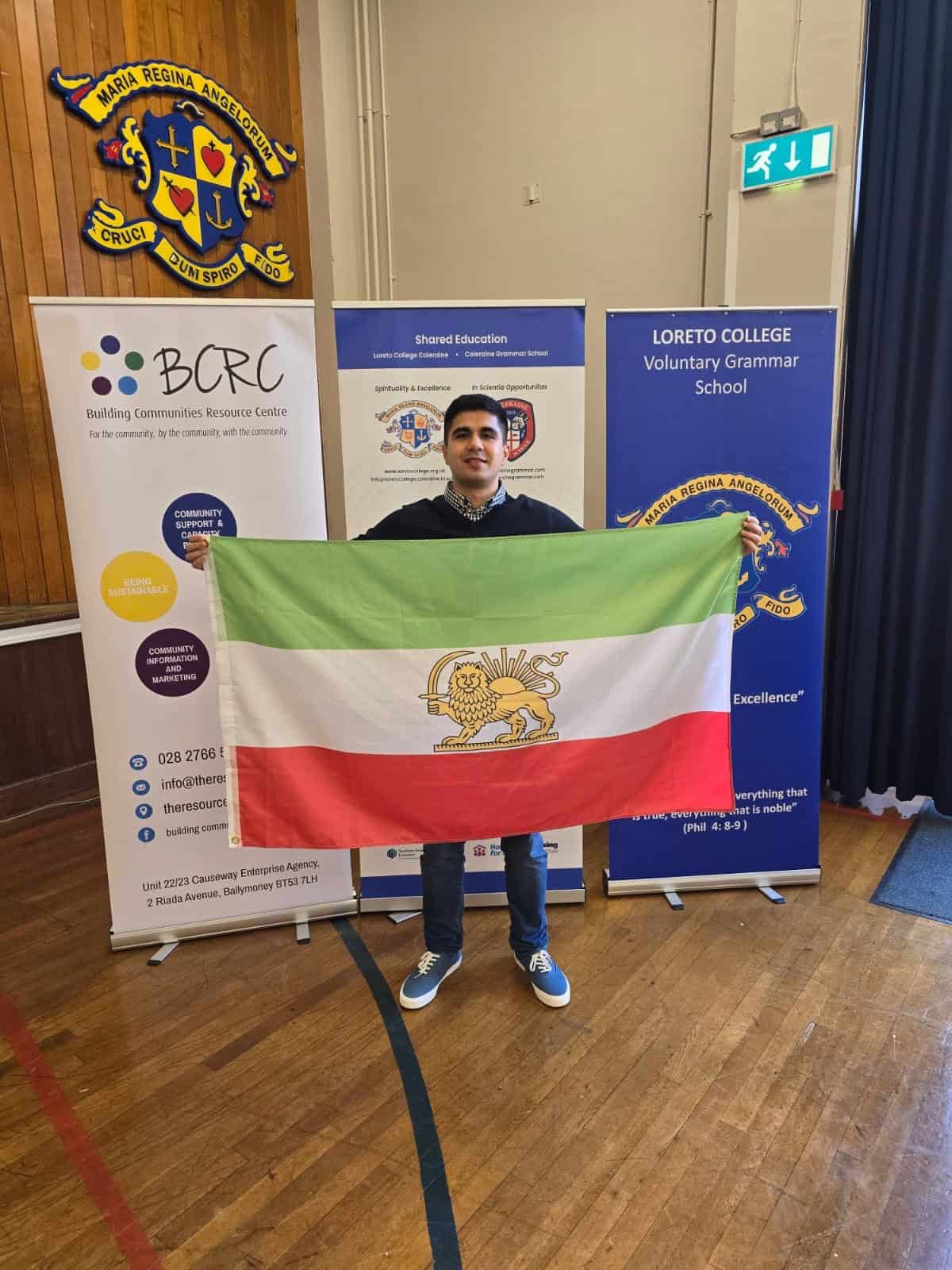
Iran is the most common nationality among asylum seekers in the UK in the last decade, rising every year, with approximately 62,000 arriving in the last decade according to the Home Office Immigration statistics. This is because of the volatile nature of life in Iran with protests against the Iranian regime common in the recent history of Iran. In January 2026 protests broke out over Iran with death tolls from the Human Rights Activist Agency verifying the rising death toll to be 2,550 people, including 2,403 protesters and 147 government affiliated. Twelve children were killed, along with nine civilians it said were not taking part in protests. More than 18,100 people have been detained, the group said. Since February 1979 when Ayatollah Ruhollah Khomeini returned following a revolution and became the Supreme Leader of the new Islamic Republic, the regime has been opposed internationally and internally with the United States having a negative relationship with them since November 1979, only a few months after they were established.
The war in 1980 against an invading Iraq devasted the country with 500,000 deaths and many refugees fleeing. The years following the war have been marked with assassinations of key political representatives of the regime in Iran from opposing groups, their involvement in neighbouring countries’ disputes and natural disasters such as the major earthquake in 1990. Sanctions from the United States in 1995 on oil and trade put more pressure on the regime. In 2025, Israel and the US attacked Iran, which started a 12-day war leading to casualties for Israel, but Iran suffered the greatest number of fatalities. Protests broke out on December 28th 2025, after the Iranian rial plummeted to a record low in value. It started with Tehran’s Grand Bazaar’s shopkeepers shuttering their shops and protesting. This then spread to other provinces in Iran. On Monday the 12th of January the rial was trading at more than 1.4 million to $1, which is evidence of its steep decline from even a few months prior. The economic failing is commonly linked to the sanctions placed on them by other countries and the aftereffects of the 12-day war.
The protests are now more widespread with a large but fragmented opposition to the regime emerging within Iran and the Iranian diaspora in other countries. Protesters gathered in the Iranian cities of Chaharmahal, Bakhtiari and the county of Taybad on Sunday night where security forces moved in to break them up. Protests have spread to other countries where lots of Iranian diaspora have fled to including the UK. Iranians living in Northern Ireland are particularly worried as some of their family members are still in Iran and haven’t been heard from in a few days. I talked with Mohammad Reza, an Iranian living in Northern Ireland about if the recent protests have impacted him and his family and how. He shared that “Yes, we are feeling very terrified and very sad about what is happening in Iran. We have heard there are huge numbers, we know for a fact that there has been 1200 killed, were slaughtered, by the regime. There are other sources like CBS news that have said there has been 20,000 people massacred by the regime and I am very worried and terrified by that.” He went on to explain what led to him coming to Northern Ireland, “I had to flee from Iran because of the oppression. Protests have happened in Iran for years, or decades, people are very tired of the tyranny, of the oppression, of the dictatorship and they want this regime to be gone.”
“This is not a protest anymore it’s a revolution and people want to overthrow the regime”
The US has had a historically rocky relationship with Iran and Trump especially has a very strict opposition to the Iranian regime. Regarding the threats made by Trump towards the Iranian regime’s handling of the protests I inquired if Mr Reza thought Trump was helping Iran or hindering their autonomy as an independent country. To which he replied “I really hope he helps Iran; we want him to help Iran if he wants peace in the middle east, if he wants peace in the world. We want his help to get rid of the Islamic regime because that’s the best thing that can happen for Iran”. Due to the turbulent decades of protests and violent relationships between the regime and their people I probed Mr Reza on what he hoped for Iran in the future and what it would look like.
He says “I hope for, not only me but all of the Iranian people hope for a secular democratic system for Iran and we really hope that the Crown Prince Reza Pahlavi, would lead us through the transition phase to the referendum. In a referendum the people of Iran democratically would vote for the next secular democratic system”. He continues to describe what he aspires for his country, “If the situation gets calm and we get rid of the regime. If we have a secular democratic system, then yes Iran is the best place to live in. Northern Ireland has been very welcoming although it has been hard to watch my country in such a volatile state”.

Julie Mullan
Student Journalist at UUC